
Turmeric: A Golden Spice with Proven Health Benefits
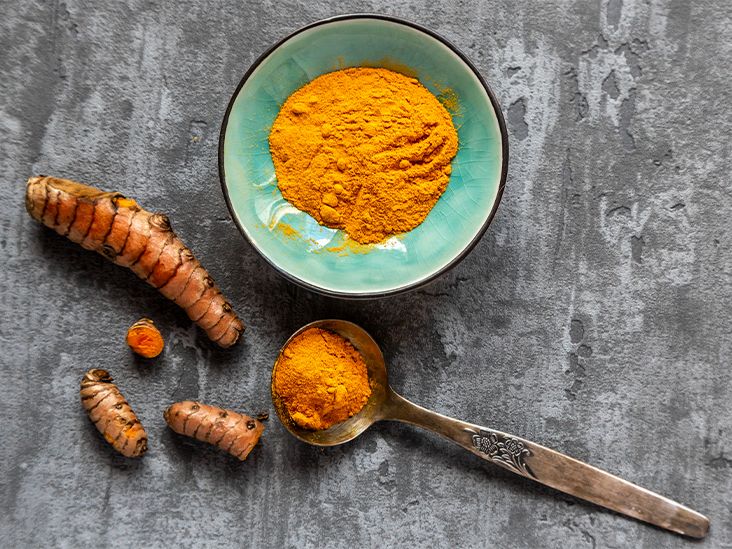
Turmeric is a bright yellow spice that has been used for centuries in Indian cuisine and traditional medicine. It is a member of the ginger family and is native to Southeast Asia.
Turmeric contains a compound called curcumin, which is responsible for many of its health benefits. Curcumin is a powerful antioxidant and anti-inflammatory agent. It has been shown to be effective in reducing pain, inflammation, and oxidative stress.
Health Benefits of Turmeric
Turmeric has been shown to be beneficial for a variety of health conditions, including:
- Arthritis: Turmeric can help to reduce pain and inflammation in people with arthritis. A study published in the Journal of Rheumatology found that turmeric was as effective as ibuprofen in reducing pain and improving function in people with osteoarthritis of the knee.
- Depression: Turmeric may help to improve mood and reduce symptoms of depression. A study published in the Journal of Psychopharmacology found that turmeric was as effective as the antidepressant fluoxetine in reducing symptoms of depression.
- Alzheimer's disease: Turmeric may help to protect the brain from damage and improve cognitive function in people with Alzheimer's disease. A study published in the journal Alzheimer's & Dementia found that turmeric was able to improve memory and cognitive function in people with Alzheimer's disease.
- Cancer: Turmeric has been shown to have anti-cancer properties. It may help to prevent the growth and spread of cancer cells. A study published in the journal Cancer Prevention Research found that turmeric was able to inhibit the growth of cancer cells in the breast, colon, and prostate.
- Heart disease: Turmeric may help to lower cholesterol levels and reduce the risk of heart disease. A study published in the journal Circulation found that turmeric was able to reduce cholesterol levels and improve heart function in people with heart disease.
- Inflammation: Turmeric is a powerful anti-inflammatory agent. It can help to reduce pain and swelling caused by inflammation. A study published in the journal Arthritis & Rheumatism found that turmeric was able to reduce inflammation in people with rheumatoid arthritis.
- Digestive health: Turmeric can help to improve digestion and relieve symptoms of indigestion, nausea, and vomiting. A study published in the journal Alimentary Pharmacology & Therapeutics found that turmeric was able to improve digestion and relieve symptoms of indigestion in people with irritable bowel syndrome.
- Skin health: Turmeric can help to improve skin health. It can be used to treat acne, eczema, and psoriasis. A study published in the journal Phytotherapy Research found that turmeric was able to reduce the severity of acne in people with acne.
How to Use Turmeric
Turmeric can be taken in a variety of ways, including:
- Capsules: Turmeric capsules are a convenient way to take turmeric. They are also the most effective way to get the full benefits of curcumin.
- Powder: Turmeric powder can be added to food or drinks. It can also be used to make tea or smoothies.
- Curcumin extract: Curcumin extract is a concentrated form of curcumin. It is more effective than turmeric powder, but it is also more expensive.
Side Effects of Turmeric
Turmeric is generally safe to consume, but it can cause some side effects in some people. These side effects may include:
- Upset stomach: Turmeric can irritate the stomach. This is more likely to happen if you take turmeric on an empty stomach.
- Diarrhea: Turmeric can cause diarrhea, especially if you take large doses.
- Skin rash: Turmeric can cause a skin rash in some people.
If you experience any side effects from turmeric, stop taking it and talk to your doctor.
Turmeric is a safe and effective herb with a number of health benefits. However, it is important to talk to your doctor before taking turmeric, especially if you are taking other medications or have any health conditions.
Here are some additional tips for using turmeric:
- Look for turmeric products that are standardized to contain a certain amount of curcumin. This will ensure that you are getting the most benefit from the herb.
- Start with a low dose of turmeric and increase the dose gradually until you find what works best for you. Turmeric can be potent for some people, so it is important to start slowly.
- Take turmeric with food to reduce the risk of stomach upset. Curcumin can irritate the stomach, so it is best to take it with food.
- Add turmeric to your diet in a variety of ways, such as:
- Adding turmeric powder to smoothies, yogurt, or oatmeal.
- Making turmeric tea by steeping turmeric powder in hot water.
- Cooking with turmeric powder or fresh turmeric root.
Here are some other ways to increase the absorption of curcumin:
- Add black pepper: Black pepper contains piperine, which can help to increase the absorption of curcumin by up to 2,000%.
- Take turmeric with fat: Curcumin is fat-soluble, so taking it with fat can help to improve its absorption.
- Take turmeric with quercetin: Quercetin is a flavonoid that can also help to increase the absorption of curcumin.


No comments:
Post a Comment