
Glutathione: The Master Antioxidant
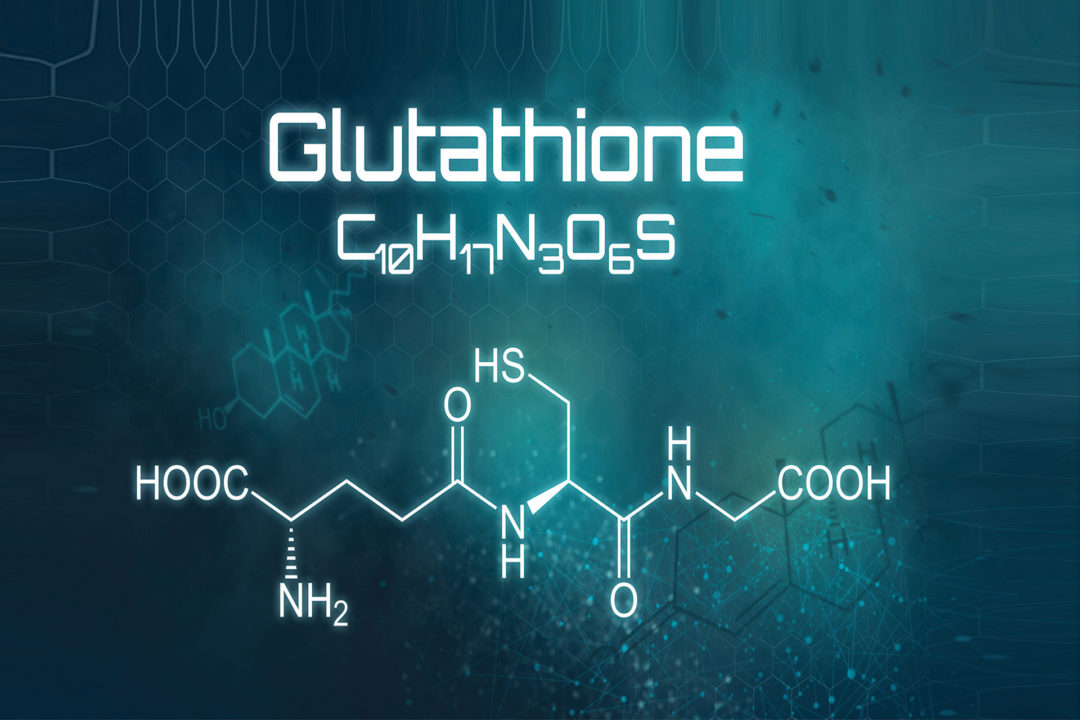
Glutathione is a small molecule made up of three amino acids: cysteine, glycine, and glutamic acid. It is found in every cell of the body and is essential for many important functions, including:
-
Antioxidant protection: Glutathione is a powerful antioxidant that helps to protect cells from damage caused by free radicals. Free radicals are unstable molecules that can damage DNA, proteins, and other important cellular structures. Glutathione helps to neutralize free radicals by donating an electron to them. This process is called "scavenging."
-
Immune system function: Glutathione helps to boost the immune system by supporting the production of white blood cells and other immune cells. White blood cells are responsible for fighting infection. Glutathione also helps to regulate the immune response, preventing it from becoming too aggressive.
-
Detoxification: Glutathione helps to detoxify the body by removing harmful substances such as heavy metals, toxins, and pollutants. These substances can damage cells and tissues if they are not removed from the body. Glutathione helps to bind to these substances and make them water-soluble, so they can be excreted from the body.
-
Cell repair: Glutathione helps to repair damaged cells and tissues. When cells are damaged, they release free radicals. Glutathione helps to neutralize these free radicals and prevent further damage. Glutathione also helps to repair DNA damage, which can help to prevent cancer.
-
Brain health: Glutathione is important for brain health and may help to protect against neurodegenerative diseases such as Alzheimer's disease and Parkinson's disease. Glutathione helps to protect brain cells from damage caused by free radicals and inflammation. It also helps to maintain the health of synapses, which are the connections between brain cells.
-
Skin health: Glutathione helps to protect the skin from damage caused by the sun and pollution. It also helps to reduce wrinkles and age spots. Glutathione helps to keep the skin looking young and healthy by producing collagen and elastin, which are proteins that give the skin its structure and elasticity.
How to Increase Glutathione Levels
There are a few things you can do to increase glutathione levels:
- Eat a diet rich in antioxidants: Fruits, vegetables, and whole grains are good sources of antioxidants that help to protect cells from damage caused by free radicals. Some specific foods that are high in glutathione include avocados, broccoli, garlic, and spinach.
- Exercise regularly: Exercise helps to increase the production of glutathione in the body. Aim for at least 30 minutes of moderate-intensity exercise most days of the week.
- Get enough sleep: Sleep is important for the body to repair itself and restore glutathione levels. Aim for 7-8 hours of sleep per night.
- Reduce stress: Stress can deplete glutathione levels. Find healthy ways to manage stress, such as yoga, meditation, or spending time in nature.
- Avoid smoking and alcohol consumption: Smoking and alcohol consumption can damage cells and deplete glutathione levels.
- Take a glutathione supplement: Glutathione supplements are available over-the-counter. However, it is important to talk to your doctor before taking any supplement, as they can interact with certain medications.
Glutathione is a powerful antioxidant that is essential for many important functions in the body. There are a few things you can do to increase glutathione levels, such as eating a healthy diet, exercising regularly, and getting enough sleep. You may also want to consider taking a glutathione supplement, but be sure to talk to your doctor first.


No comments:
Post a Comment