
Biotin: An Essential Nutrient for Hair, Skin, and Nails
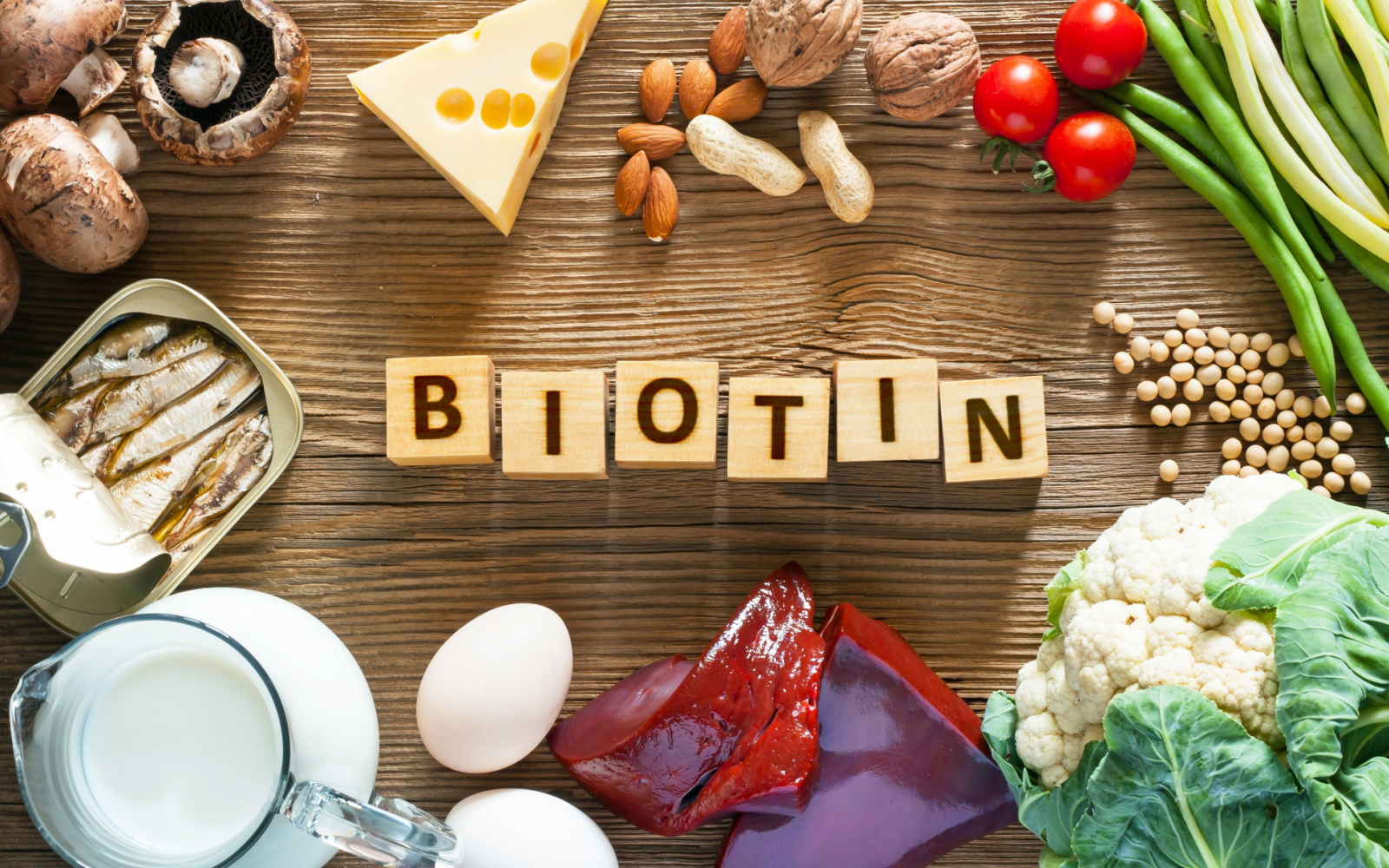
Biotin, also known as vitamin B7, is a water-soluble vitamin that is essential for many bodily functions, including hair growth, skin health, and nail health. It is also involved in energy metabolism and the production of fatty acids.
Sources of Biotin

Biotin is found in a variety of foods, including:
- Eggs
- Meat
- Fish
- Nuts
- Seeds
- Legumes
- Whole grains
- Dairy products
Functions of Biotin
Biotin is involved in a number of important cellular processes, including:
- Keratin production: Biotin is essential for the production of keratin, a protein that is the main component of hair, skin, and nails. Keratin is responsible for the strength, elasticity, and overall health of these tissues.
- Energy metabolism: Biotin is involved in the metabolism of carbohydrates, fats, and proteins. It helps to convert food into energy that the body can use.
- Fatty acid production: Biotin is also involved in the production of fatty acids. Fatty acids are essential for cell function and hormone production.
Biotin Deficiency

Biotin deficiency is rare, but it can occur in people who are not getting enough biotin from their diet or who have certain medical conditions. Symptoms of biotin deficiency can include:
- Hair loss
- Skin rash
- Nail breakage
- Fatigue
- Muscle weakness
Biotin Supplementation
Biotin supplementation is generally safe and well-tolerated. The recommended daily intake (RDI) for biotin is 30 micrograms (mcg) for adults. However, some people may need more biotin, such as pregnant women and people with biotin deficiency.
Biotin supplements are available in a variety of forms, including capsules, tablets, and liquids. Biotin can also be found in some multivitamin supplements.
Evidence for Biotin Supplementation

There is some evidence that biotin supplementation can improve hair growth, skin health, and nail health in people with biotin deficiency. However, the evidence for its effectiveness in people without biotin deficiency is mixed.
Hair growth: Some studies have shown that biotin supplementation can improve hair growth and reduce hair loss in people with biotin deficiency. However, other studies have shown no benefit.
Skin health: Biotin supplementation may also improve skin hydration and elasticity, and reduce the appearance of wrinkles and fine lines. However, more research is needed to confirm these findings.
Nail health: Biotin supplementation may also strengthen brittle nails and reduce the risk of nail breakage. However, more research is needed to confirm these findings.
Other Potential Benefits of Biotin Supplementation
In addition to its potential benefits for hair, skin, and nails, biotin supplementation may also have other health benefits, such as:
- Diabetes management: Biotin supplementation may help to improve blood sugar control and reduce cholesterol levels in people with diabetes.
- Neurological function: Biotin supplementation may help to improve neurological function and reduce the symptoms of nerve damage in people with certain neurological disorders, such as multiple sclerosis and diabetic neuropathy.
Safety and Side Effects of Biotin Supplementation

Biotin supplementation is generally safe and well-tolerated. However, high doses of biotin (more than 300 mcg per day) can cause side effects such as nausea, vomiting, diarrhea, and skin rash.
As a pharmacist, I recommend that people talk to their doctor before taking a biotin supplement, especially if they have any underlying medical conditions. Biotin is generally safe and well-tolerated, but it can cause side effects in some people.
I also recommend that people get enough biotin from their diet before taking a supplement. Biotin is found in a variety of foods, including eggs, meat, fish, nuts, seeds, legumes, whole grains, and dairy products.
If you are considering taking a biotin supplement, I recommend that you choose a supplement from a reputable manufacturer and that you follow the dosage instructions on the label.
Biotin is a water-soluble vitamin, which means that it is not stored in the body for long periods of time. Excess biotin is excreted in the urine.


No comments:
Post a Comment